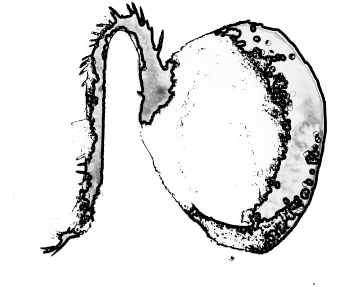
Symphitum officinale
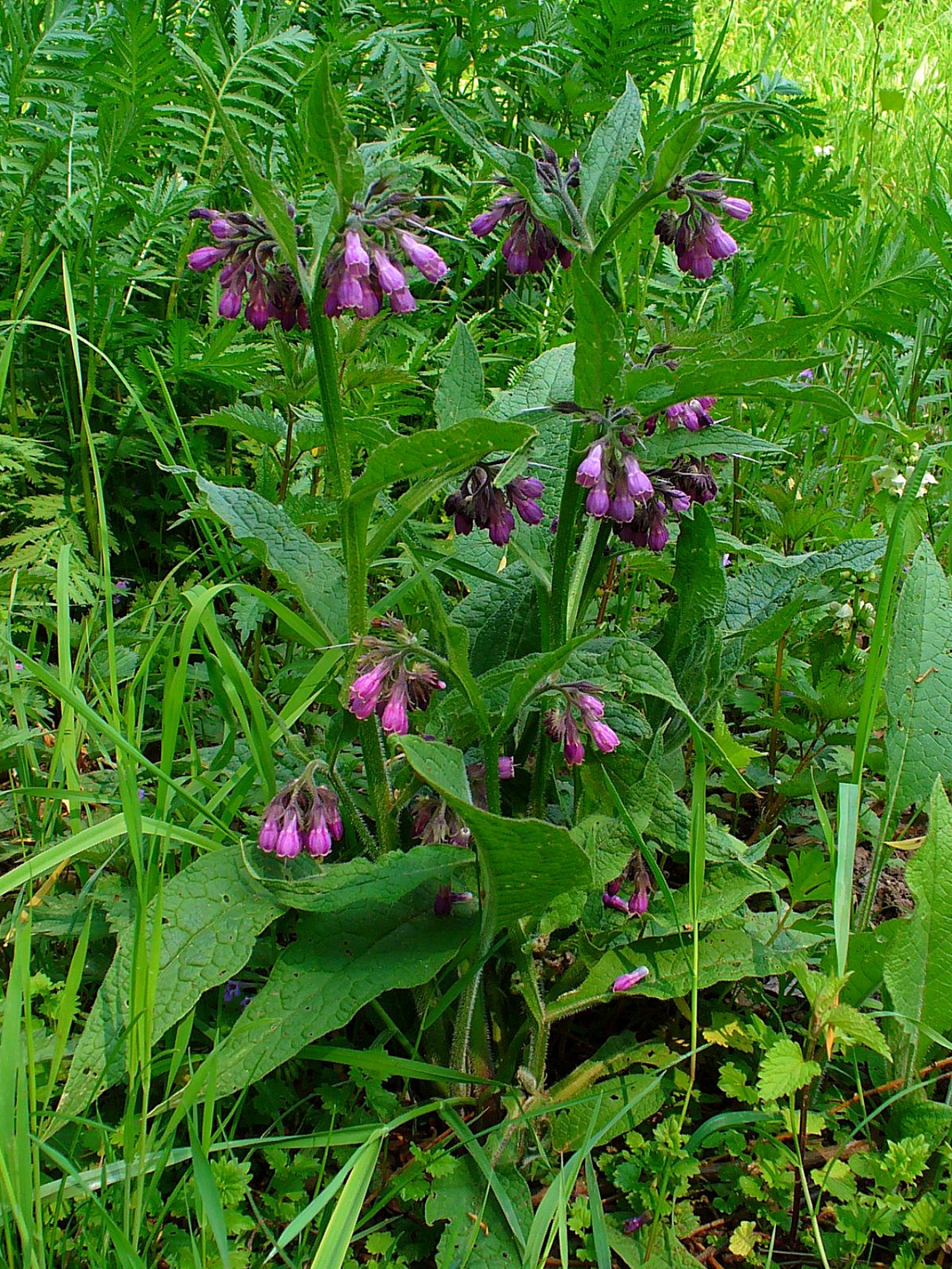
Nomenclature
Latin NameSymphitum officinale
Common name in English and GermanCommon Comfrey, Beinwell
Regional namesComfrey (English), Common comfrey (English), Slippery root (English), Grande consoude (French), Conflée (French), Echter Beinwell (German), Wallwurz (German), Consolida maggiore (Italian), Sinfito (Italian), Consuelda mayor (Spanish), Sinfito mayor (Spanish), Hierba de las cortaduras (Spanish), Consolda-maior (Portuguese), Confrei (Portuguese), Smeerwortel (Dutch), Äkta vallört (Swedish), Valurt (Norwegian/Danish), Rohtoraunioyrtti (Finnish), Harilik varemerohi (Estonian), Ārstniecības tauksakne (Latvian), Vaistinė taukė (Lithuanian), Żywokost lekarski (Polish), Kostival lékařský (Czech), Kostihoj lekársky (Slovak), Fekete nadálytő (Hungarian), Tănăneasă (Romanian), Окопник лекарственный [Okopnik lekarstvennyy] (Russian), Живокіст лікарський [Zhyvokist likars’kyy] (Ukrainian), Черен оμαν [Cheren oman] (Bulgarian), Гавез [Gavez] (Serbian/Croatian), Σύμφυτο το φαρμακευτικό [Sýmphyto to pharmakeftikó] (Greek), سنفيتون مخزني [Sinfaytun makhzani] (Arabic), هماور [Hamavar] (Persian), 聚合草 [Jùhécǎo] (Chinese), 컴프리 [Keompeuri] (Korean)
Geographic data
Variety’s range of distributionNative to Europe and temperate Asia; naturalized in NA and other temperate regions
Crop's center of diversityEurope
Provenance and collection data
CollectionMedicinal
Seed sourceSpore garden, Wild collection
Cultivation
Life cyclePerennial
Winter hardyYes
Months suitable for planting seedsMarch, April, September, October
Seed startingIndoor
Days to harvest100
Growth habitHerb
Stem orientationUpright
Use as ground coverDensely covers soil
Plant height (cm)30-90
Sun exposureFull sun, Partial shade
Water RequirementsRainfed
Soil preferenceWell drained, Loam, Lower to neutral pH
Successional communityPioneering, Wood edge, Patchy shrub-land
Potential use in agro-designDynamic accumulator of K-N-P, deep root system, used for mulch and soil building, pollinator support.
Reproduction
PollinationSelf pollinating
Reproductive biologyBisexual flower
Likelihood of hybridisationPossible
Use
Consumable partsLeaves, Roots
Medicinal actionAnti-inflamatory, Astringent, Vulnerary, Demulcent
Parts used medicinally and their effectUsed for healing bones and wounds, or in poultices/tees for gastrointestinal issues. Internal use now discouraged due to potential toxicity
Gastronomic useDiscouraged