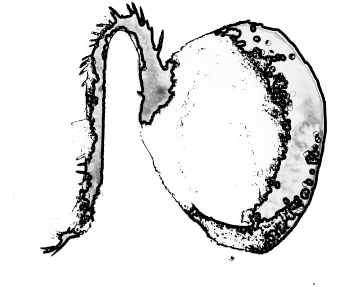
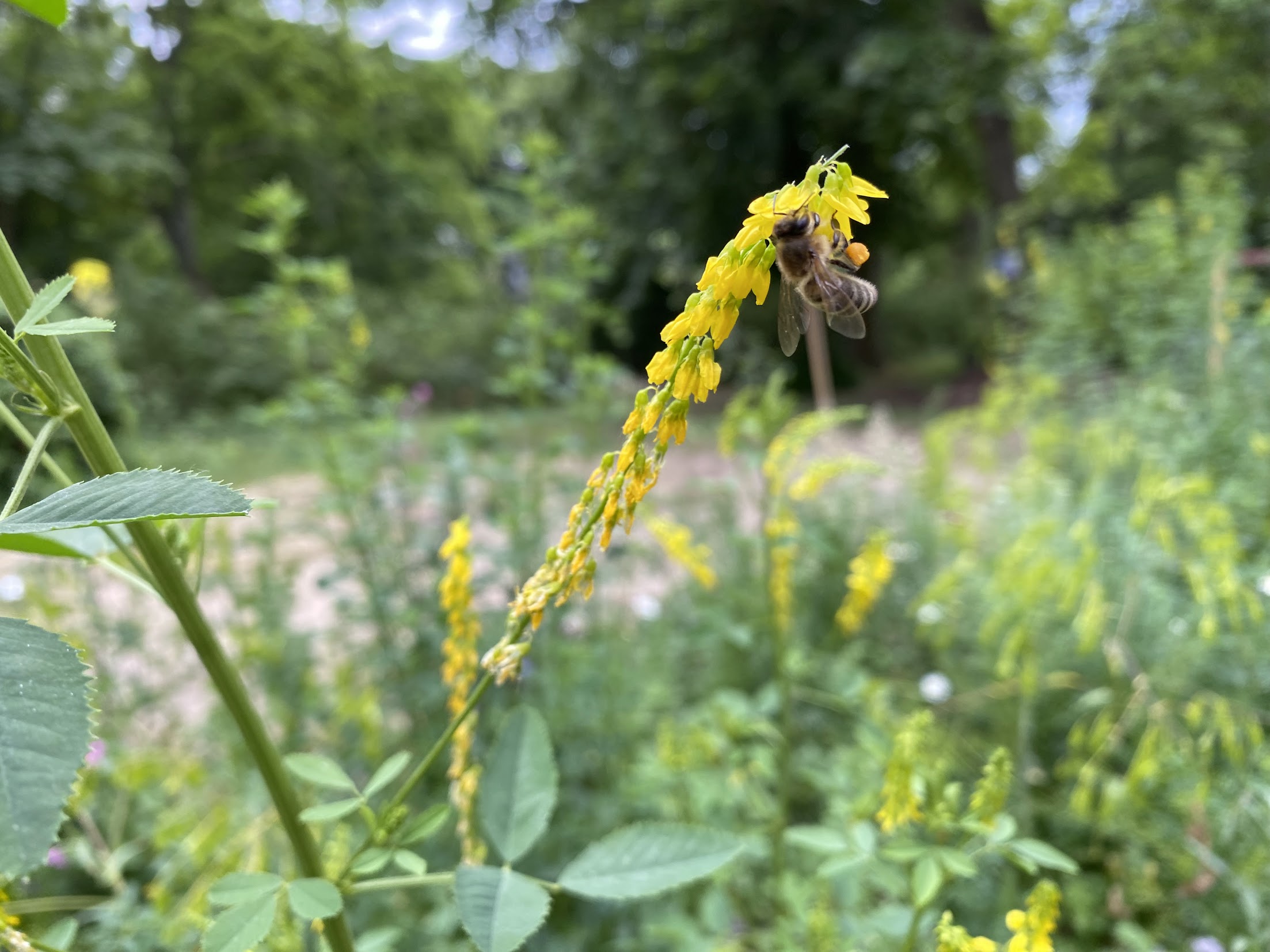
Seeds last a long time, up to 20-30 years. Poorly dried/moldy plant can produce dicoumarol, used as rat poison
Melilotus officinalis
Nomenclature
Latin NameMelilotus officinalis
Common name in English and GermanYellow sweet clover, Gelber Steinklee
Regional namesYellow sweet clover (English), Yellow melilot (English), Ribbed melilot (English), Common melilot (English), Mélilot officinal (French), Mélilot jaune (French), Echter Steinklee (German), Gelber Steinklee (German), Meliloto amarillo (Spanish), Trébol de olor amarillo (Spanish), Corona de rei (Catalan), Meliloto-amarelo (Portuguese), Meliloto giallo (Italian), Citroengele honingklaver (Dutch), Akkerhoningklaver (Dutch), Gul sötväppling (Swedish), Legesteinkløver (Norwegian), Mark-stenkløver (Danish), Rohtomesikkä (Finnish), Kollane mesikas (Estonian), Nostrzyk żółty (Polish), Nostrzyk lekarski (Polish), Komonice lékařská (Czech), Komonica lekárska (Slovak), Orvosi somkóró (Hungarian), Sulfină (Romanian), Донник лекарственный [Donnik lekarstvennyy] (Russian), Буркун лікарський [Burkun likars'kyy] (Ukrainian), Sarı taş yoncası (Turkish), إكليل الملك [Iklil al-malik] (Arabic), حندقوق [Handaquq] (Arabic), شاهافسر [Shah-afsar] (Persian), 黄香草木樨 [Huáng xiāng cǎo mù xī] (Chinese)
Geographic data
Variety’s range of distributionEurope, western and central Asia, naturalized in NA, SA (temperate zones), AU, NZ; extremely successful in temperate regions globally
Crop's center of diversityCentral Asia
Provenance and collection data
CollectionMedicinal
Seed sourceCommercial supplier, Spore garden
Cultivation
Life cycleBiannual
Winter hardyYes
Cold stratificationyes
Months suitable for planting seedsMarch, April, May, August, September
Seed startingOutdoor
Days to harvest120
Growth habitHerb
Stem orientationUpright
Plant height (cm)80-200
Sun exposureFull sun
Water RequirementsRainfed
Soil preferenceHighly adaptable, Well drained, Neutral to higher pH
Successional communityPioneering, Grassland
Potential use in agro-designNitrogen-fixing, soil builder, cover crop, loosens compacted soil, useful for land regeneration
Reproduction
PollinationSelf pollinating
Reproductive biologyBisexual flower
Likelihood of hybridisationPossible
Use
Consumable partsSeeds, Leaves
Medicinal actionAnti-spasmodic, Anti-inflamatory, Diuretic, Sedative
Parts used medicinally and their effectStems, leaves, flowering tops used in tea or compress
Gastronomic useSeeds can be used for spice