Lathyrus sativus
Nomenclature
Latin NameLathyrus sativus
Common name in English and GermanGrasspea (English); Saat-Platterbse (German)
Regional namesGrass pea (English), Chickling vetch (English), Gesse cultivée (French), Saat-Platterbse (German), Almorta (Spanish), Cicerchia (Italian), Chícharo (Portuguese), Zaailathyrus (Dutch), Plattvial (Swedish), Groszek siewny (Polish), Hrachor setý (Czech), Szegletes lednek (Hungarian), Чина посевная [China posevnaya] (Russian), Чина посівна [Chyna posivna] (Ukrainian), Посевно секирче [Posevno sekirche] (Bulgarian), ጓያ [Guaya] (Amharic), جلبان مزروع [Jilban mazru'] (Arabic), خلر [Khalar] (Persian), खेसारी [Khesari] (Hindi/Nepali/Bengali), लतरी [Latari] (Hindi), তিওরা [Teora] (Bengali), लाख [Lakh] (Marathi), ਲਾਂਗ [Lang] (Gujarati), ਕੇਸਰੀ ਬੇਲੇ [Kesari bele] (Kannada), ලාතිරස් [Lathiras] (Sinhala), 家山黧豆 [Jiā shān lí dòu] (Chinese), 풀완두 [Pul-wandu] (Korean)
Geographic data
Variety’s range of distributionIndia, Ethiopia, Middle East, Central Asia, North Africa, Europe
Crop's center of diversityMediterranean, Central Asia, Southwest Asia (Near East), South Asia (India+)
Provenance and collection data
CollectionGrains and pulses
Seed sourceSpore's partner, Spore garden
PartnerElkana
ProgrammeElkana
Cultivation
Life cycleAnnual
Winter hardyNo
Months suitable for planting seedsMay
Seed startingOutdoor
Days to harvest130
Growth habitHerb
Stem orientationDecumbent
Plant height (cm)30 – 70
Sun exposureFull sun
Water RequirementsRainfed
Soil preferenceHighly adaptable, Clay, Rocky
Successional communityPioneering, Grassland
Potential use in agro-designIt is a very hardy and drought-resistant legume, it can be used as a “break crop” to restore fertility to agricultural land that has been cultivated with row crops.
Reproduction
PollinationSelf pollinating
Reproductive biologyMonoecious
Likelihood of hybridisationLess likely
Use
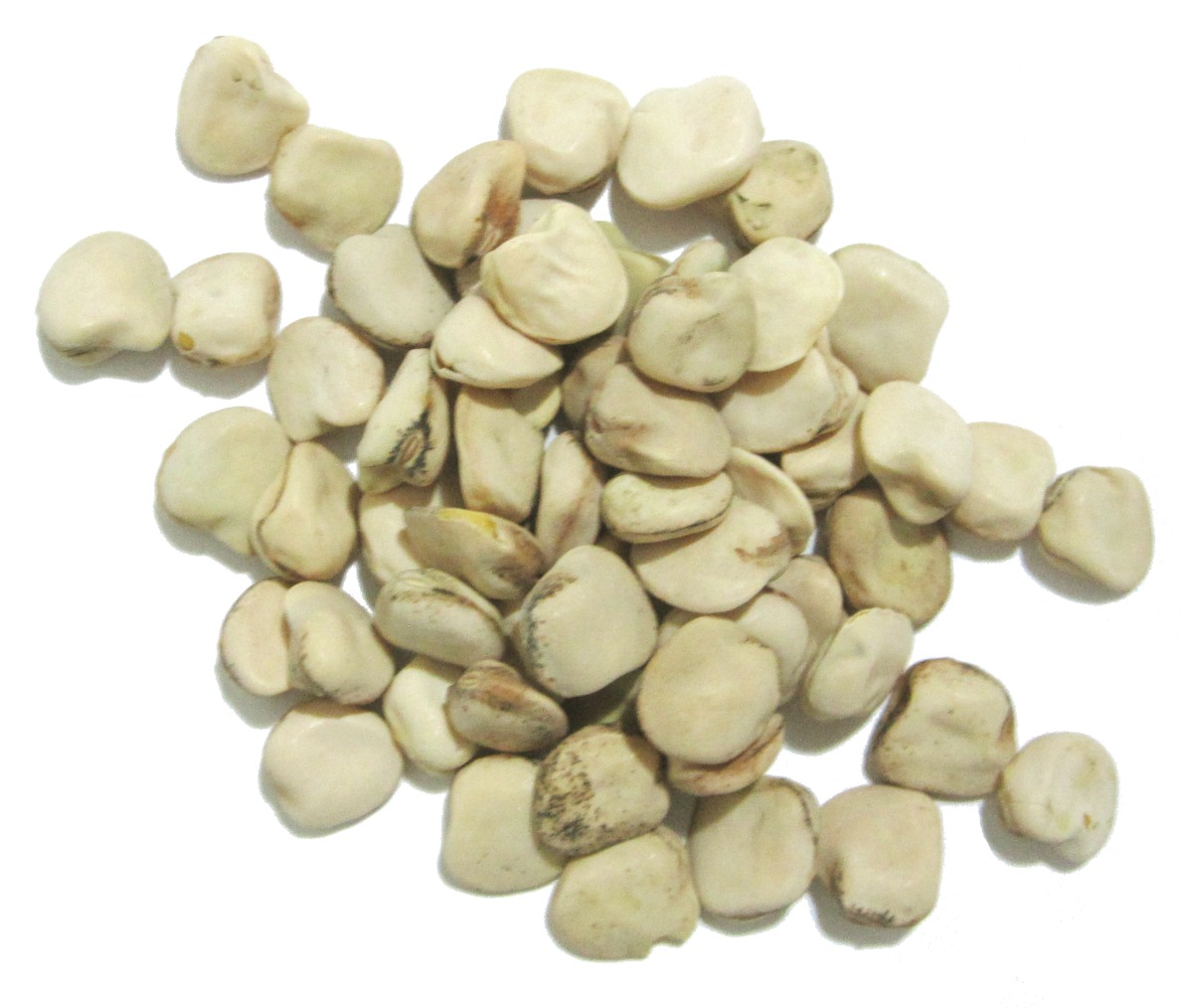
Consumable partsSeeds
Parts used medicinally and their effectGrass peas is used medicinally in Ayurvedic tradition.
Digestive tonic: Traditionally used to address diarrhea and Grahani irritable bowel by virtue of its astringent and demulcent fractions. A small clinical trial (Pune, 2015) found that a decoction of the seeds reduced stool frequency by 40% in chronic mild diarrhea patients.
Joint health: The flavonoids exhibit anti‐inflammatory effects Anecdotal reports in Kerala suggest powdered seed massage alleviates rheumatoid stiffness over weeks of consistent use.
Blood sugar regulation: Pilot studies (All India Institute of Medical Sciences, 2020) note modest reductions in postprandial glucose levels when Lathyrus sativus meal replaces 20% of daily carbs, likely via delayed carbohydrate digestion from phytic acid.
Gastronomic useGrasspea's primary gastronomic use is as a highly nutritious, high-protein food, especially in South Asian countries like India, Nepal, and Bangladesh, where it's consumed whole, as dal (peeled and split seeds), or as flour in various dishes, breads, and stews.
Notes
Its development into an important food legume, however, has been hindered by the presence of the neurotoxin in seeds, which, if consumed in large quantities for prolonged periods, can cause irreversible paralysis.
The leaves of Lathyrus sativus (grass pea) are consumed as a green leafy vegetable, often boiled or used in dishes like soups and stews. The leaves and shoots are a good source of protein, vitamins, and minerals and are particularly valuable for human consumption, especially in regions like Bangladesh and West Bengal. In addition to human use, the plant’s foliage and straw also serve as animal fodder.