
Physalis philadelphica Toma verde
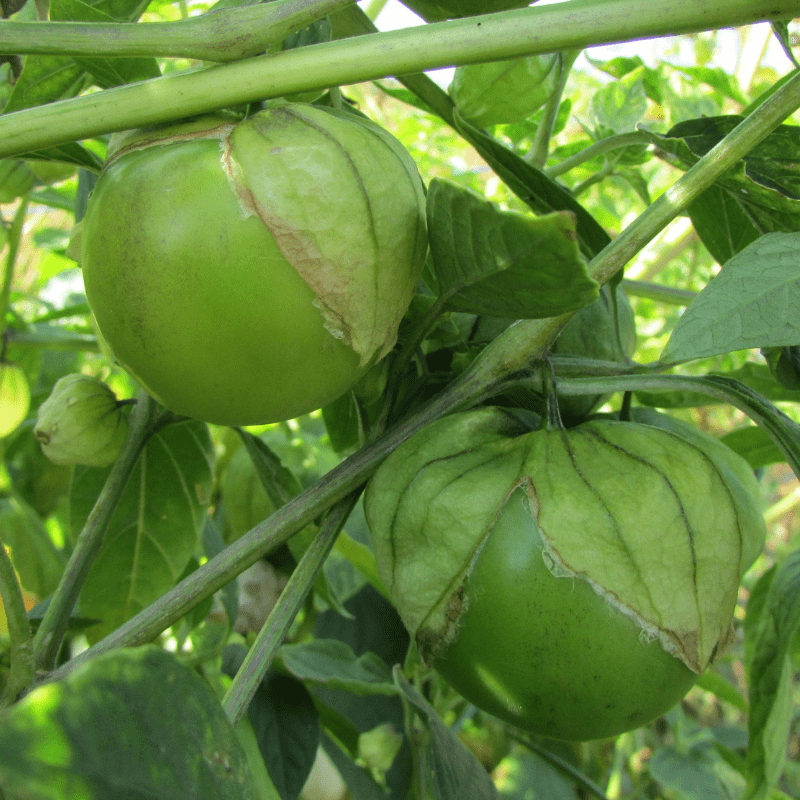
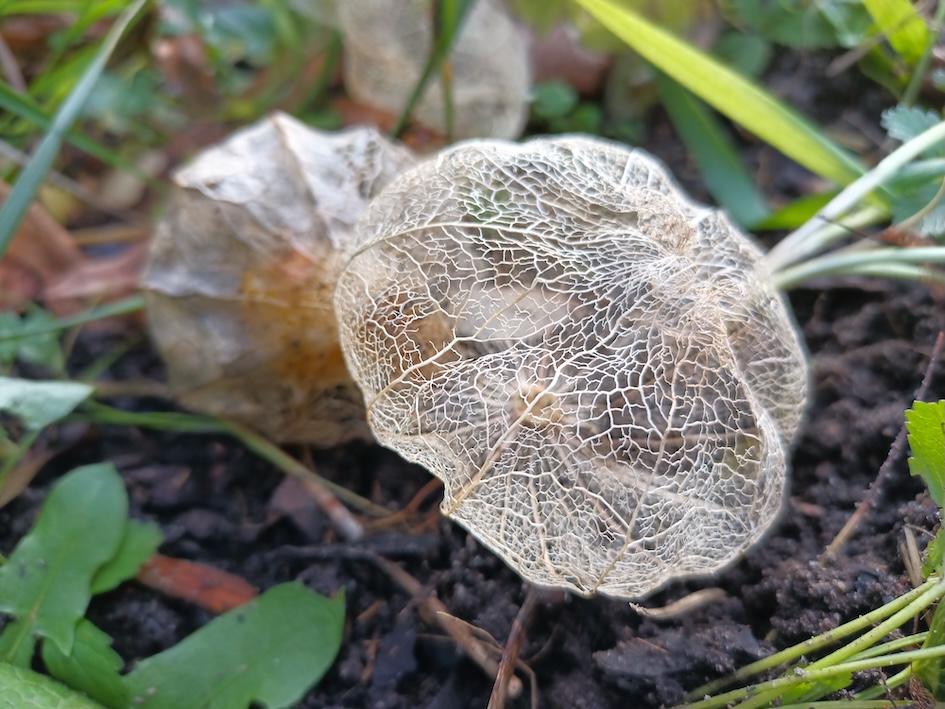
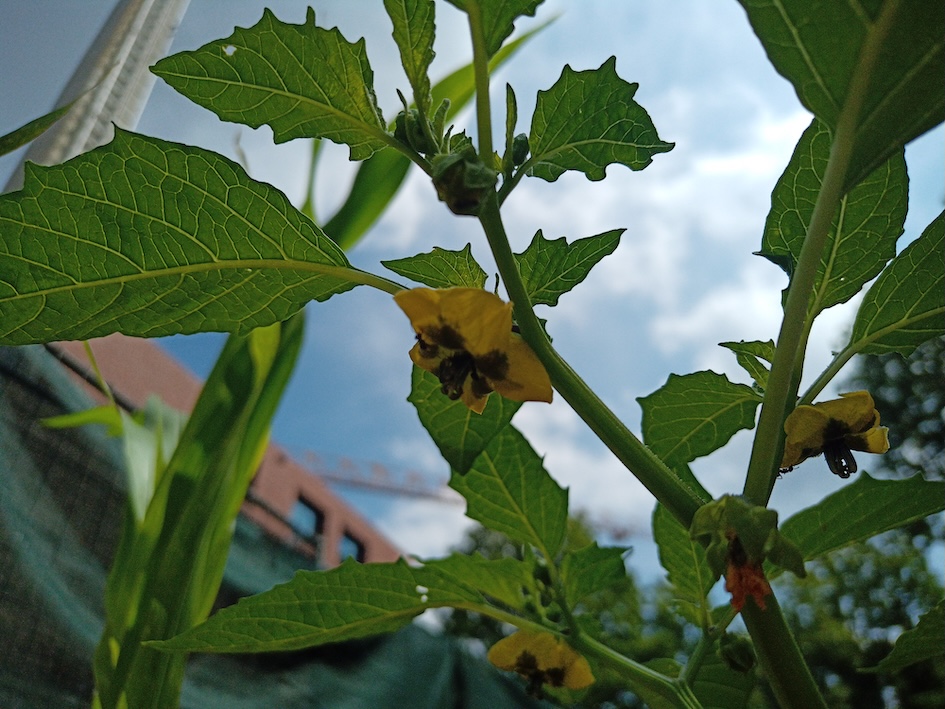
Nomenclature
Latin NamePhysalis philadelphica
VarietyToma verde
Common name in English and GermanTomatillo, mexican husk tomato
Regional namesTomatillo (English), Husk tomato (English), Tomatillo (Spanish), Tomate de cáscara (Spanish), Tomate verde (Spanish), Tomate milpero (Spanish), Tomate de fresadilla (Spanish), Miltomate (Spanish – Mexico/Guatemala), Tomate (Spanish – Central Mexico), Alkékenge du Mexique (French), Tomatille (French), Mexikanische Tomatillo (German), Tomatillo (Portuguese), 黏果酸漿 [Nián guǒ suān jiāng] (Chinese), طماطم مكسيكية [Tamatim maksikiya] (Arabic), טומטילו [Tomatillo] (Hebrew), टोमैटिलो [Tomaitilo] (Hindi), কপালফুটা [Kopalphuta] (Assamese).
Geographic data
Variety’s range of distributionMexico
Crop's center of diversityMesoamerica
Provenance and collection data
CollectionKitchen garden
Seed sourceSpore's partner, Spore garden
PartnerTlayolan
ProgrammeTlayolan
Cultivation
Life cycleAnnual
Winter hardyNo
Months suitable for planting seedsFebruary, March
Seed startingIndoor
Days to harvest80
Growth habitSub shrub
Stem orientationUpright
Plant height (cm)120
Sun exposureFull sun, Partial shade
Water RequirementsModerate water demand
Soil preferenceWell drained, Loam, Sandy
Successional communityPioneering, Wood edge, Patchy shrub-land
Potential use in agro-designA tomatillo variety "toma verde" that grows surprisingly well and produces abundant harvest in disturbed, well draining soil. Perhaps the secret is in the nitrates dominating the soil of newly established gardens. Therefore an interesting plant to "reclaim" disturbed sites in an urban garden project.
Reproduction
PollinationSelf pollinating
Reproductive biologyBisexual flower
Likelihood of hybridisationLess likely
Use
Consumable partsFruits & berries
Gastronomic useMexican salsa verde
The key is to cook the tomatillos to mellow their sourness and bring out their natural flavor.
Ingredients:
– 1 pound (approx. 450g) Tomatillos (Husks removed and washed thoroughly)
– 1-2 Serrano Peppers (Use 1 for mild heat, 2-3 for medium heat.)
– 1/4 White Onion (Roughly chopped.)
– 1-2 cloves Garlic (Peeled.)
– 1/2 cup Fresh Cilantro (Leaves and stems, roughly chopped.)
– 1/2 tsp Salt (Or to taste.)
– 1/2 cup Water (Or as needed, for blending.)
Instructions:
1. Prepare and Cook the Tomatillos
Remove Husks: Peel the papery husks off the tomatillos and wash them well to remove the sticky residue.
Boil: Place the whole, husked tomatillos and the whole serrano peppers in a saucepan. Cover them with water.
Simmer: Bring the water to a boil, then immediately reduce the heat to a simmer. Cook for about 5-7 minutes.
Watch for Color Change: Cook until the tomatillos' color changes from a bright, opaque green to a duller, olive-green and they are slightly soft.
Drain: Drain the tomatillos and peppers, reserving some of the cooking liquid (you will need it for blending).
2. Blend the Salsa
Combine Ingredients: Transfer the cooked tomatillos and peppers to a blender. Add the white onion, garlic, fresh cilantro, and salt.
Blend: Add about 1/4 cup of the reserved cooking liquid (or fresh water) to help the blender start.
Process: Blend until you reach your desired consistency (smooth or slightly chunky). Add more liquid, one tablespoon at a time, until the salsa reaches a pourable but still thick texture.
Taste and Adjust: Taste the salsa and adjust the salt.
3. Serving
Salsa Verde is best served slightly warm or at room temperature.
It's perfect for topping tacos, enchiladas, burritos, chilaquiles, or as a dip with tortilla chips.