
2 different suppliers – Dreschflegel 2023
other 2024
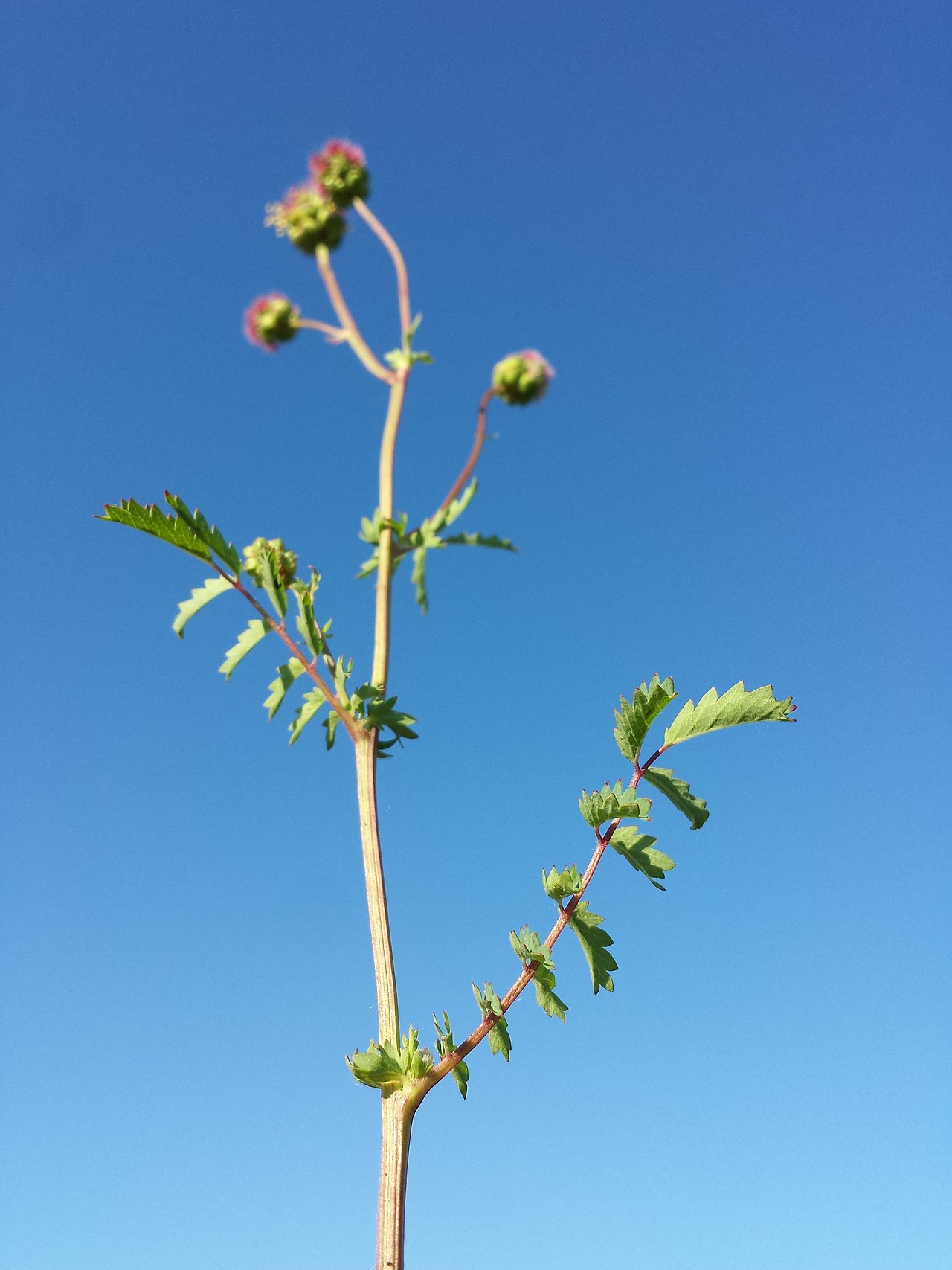
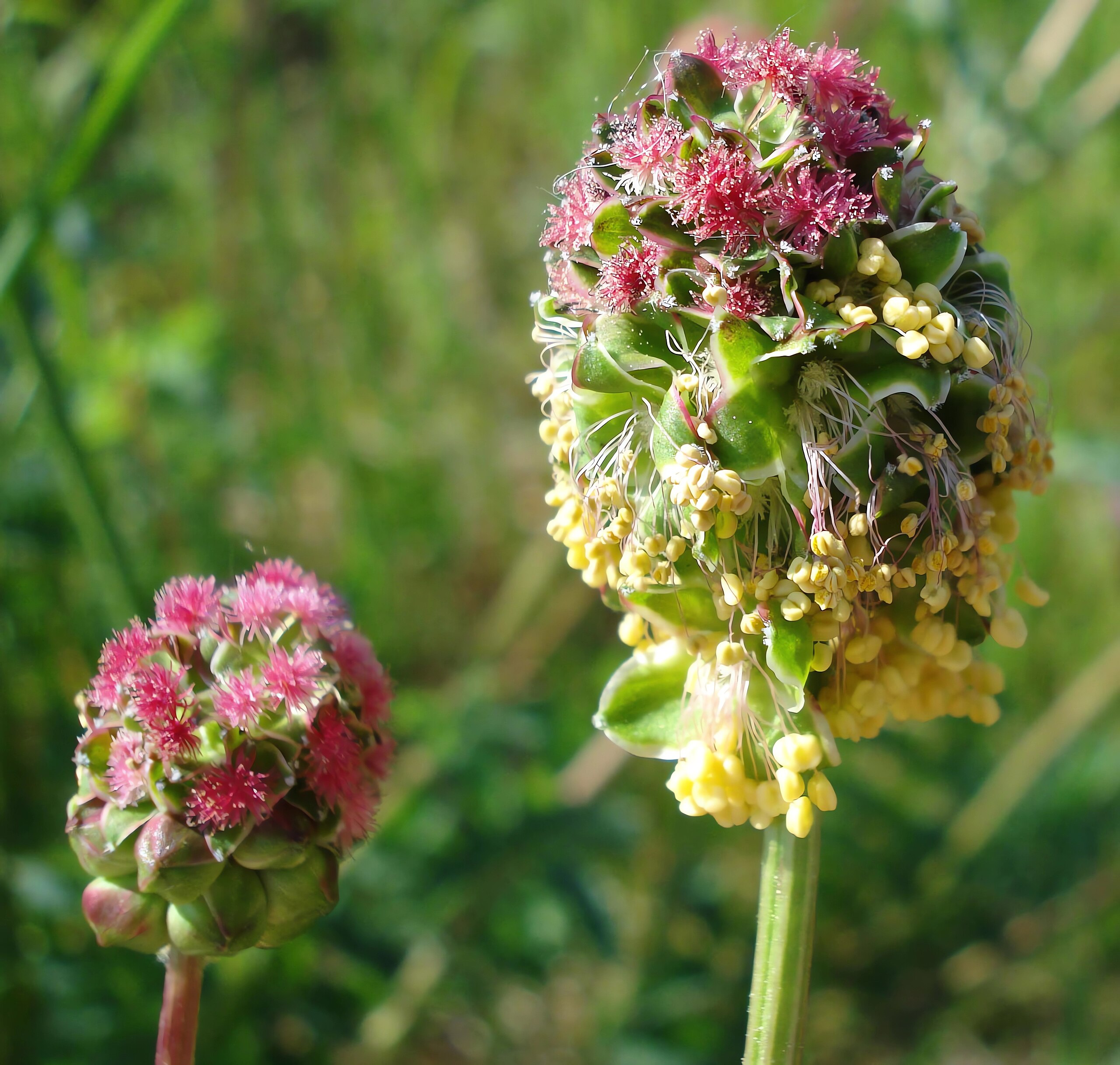
Sanguisorba minor Cultivated form
Nomenclature
Latin NameSanguisorba minor
VarietyCultivated form
Common name in English and GermanKleiner Wiesenknopf, Pimpinelle (German); Salad Burnet (English)
Regional namesSalad burnet (English), Small burnet (English), Garden burnet (English), Burnet-bloodwort (English), Toper's plant (English), Petite pimprenelle (French), Pimprenelle (French), Sanguisorbe mineure (French), Kleiner Wiesenknopf (German), Pimpernelle (German), Pimpernell (German), Bibernelle (German), Becherblume (German), Blutströpfchen (German), Salvastrella minore (Italian), Bibinella (Italian), Sorbastrella (Italian), Pimpinela menor (Spanish), Hierba del cuchillo (Spanish), Sanguinaria (Spanish), Pimpinela (Portuguese), Pimpinela-menor (Portuguese), Kleine pimpernel (Dutch), Klein sorbenkruid (Dutch), Pimpernell (Swedish/Norwegian/Danish), Blodstillende bibernelle (Danish), Dvergkollur (Icelandic), Krwiściąg mniejszy (Polish), Krvavec menší (Czech/Slovak), Nagy útifű (Hungarian), Kis vérfű (Hungarian), Csabaíre (Hungarian), Дребна динка [Drebna dinka] (Bulgarian), Кровохлёбка малая [Krovokhlyobka malaya] (Russian), Черноголовник кровохлебковый [Chernogolovnik krovokhlebkovyy] (Russian), Родовик малий [Rodovyk malyy] (Ukrainian), Σαγκουισόρβον το έλασσον [Sangouisórvon to élasson] (Greek), مرقئة صغيرة [Murqi'a saghira] (Arabic), مرقئه صغيره [Murqi'a saghira] (Egyptian Arabic), Meskiya (Arabic/French), בֶּן-סִירָה מְיֻבָּל [Ben-sirah meyubbal] (Hebrew), توت روباهی [Tot-e-roubahi] (Persian), قיתارماه [Ghitarmah] (Persian), 多蕊地榆 [Duōruǐ dìyú] (Chinese), 술오이풀 [Sul-o-i-pul] (Korean), Kiçik sincanotu (Azerbaijani), Küçük çayırdüğmesi (Turkish)
Geographic data
Variety’s range of distributionmainland Europe, east to Southwest Asia, Siberia, and northern Africa
Crop's center of diversityEurope
Provenance and collection data
CollectionPerennial edibles
Seed sourceCommercial supplier, Spore garden
Cultivation
Life cyclePerennial
Winter hardyYes
Months suitable for planting seedsApril
Seed startingOutdoor
Days to harvest70
Growth habitHerb
Stem orientationUpright
Use as ground coverRosette
Plant height (cm)20 – 50
Sun exposureFull sun, Partial shade
Water RequirementsRainfed
Soil preferenceWell drained, Lower to neutral pH
Successional communityPioneering, Grassland, Patchy shrub-land
Potential use in agro-designInclude in pasture mixes for livestock or wildlife forage. Excellent for reclamation, vegetative strips, and stabilizing slopes (Erosion Control). Provides edible greenery for extended seasons, fitting into kitchen gardens.
Reproduction
PollinationSelf pollinating
Reproductive biologyMonoecious
Likelihood of hybridisationVery likely
Use
Consumable partsLeaves, Stalks, Roots
Medicinal actionAnti-microbial, Anti-inflamatory, Vulnerary, Aromatic, Anti-haemorrhagic
Parts used medicinally and their effectDue to its tannin content, small burnet has been used in folk medicine to treat diarrhea and internal bleeding. This is also where its Latin name comes from, which is composed of sanguis (blood) and sorbere (to absorb). The roots Used in traditional medicine (Europe, China) to stop internal bleeding, treat dysentery, diarrhea, fever, menstrual irregularities, and bleeding gums.
Gastronomic useSalad, Frankfurter Grüne Soße, seasonings.