
Symbolism: Thistle as sign of protection, endurance, sacred in Mediterranean myths; linked to transformation.
Etymology: Cynara from Greek girl transformed into artichoke by Zeus; cardunculus refers to thistle family.
Traditional ecological knowledge: Grown as food and medicine since Roman times, blanched stalks noted in local cuisine, symbol of bittersweet taste and healing, part of peasant and royal diets.
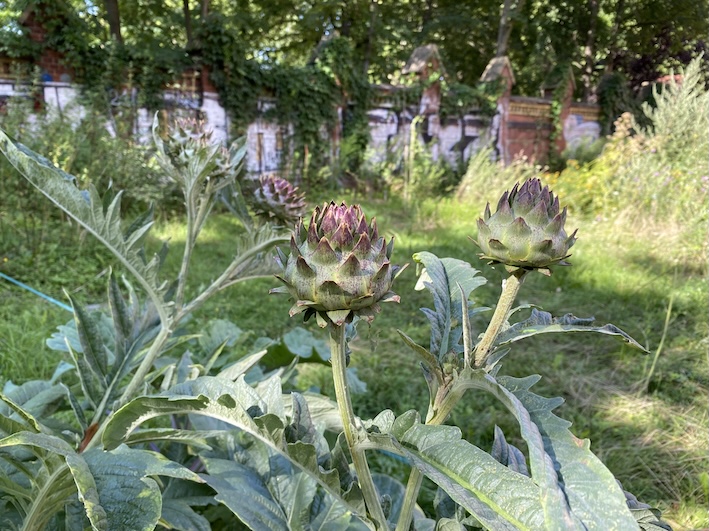
Cynara cardunculus var. altilis
Nomenclature
Latin NameCynara cardunculus
Varietyvar. altilis
Common name in English and GermanCardoon, Kardone
Regional namesCardoon (English), Artichoke thistle (English), Cardone (Italian), Cardo (Spanish), Cardo-comum (Portuguese), Cardon (French), Kardone (German), Gemüseartischocke (German), Kardoen (Dutch), Kardon (Danish/Swedish), Kardoni (Finnish), Kardosz (Polish), Kardoon (Estonian), Кардон [Kardon] (Russian), Артишок испанский [Artishok ispanskiy] (Russian), Cardon (Romanian), Kárdi (Hungarian), Κάρδος [Kárdos] (Greek), خرشوف [Kharshūf] (Arabic)
Geographic data
Variety’s range of distributionMediterranean regions, later introduced to North and South Americas, West Asia and Middle East
Crop's center of diversityMediterranean
Provenance and collection data
CollectionPerennial edibles
Seed sourceSpore garden
Cultivation
Life cycleShort-Lived Perennial
Winter hardyYes
Months suitable for planting seedsApril, May, October, November
Seed startingIndoor, Outdoor
Days to harvest100
Growth habitHerb
Stem orientationUpright
Plant height (cm)45
Sun exposureFull sun
Water RequirementsRainfed
Soil preferenceWell drained, Loam
Successional communityPioneering
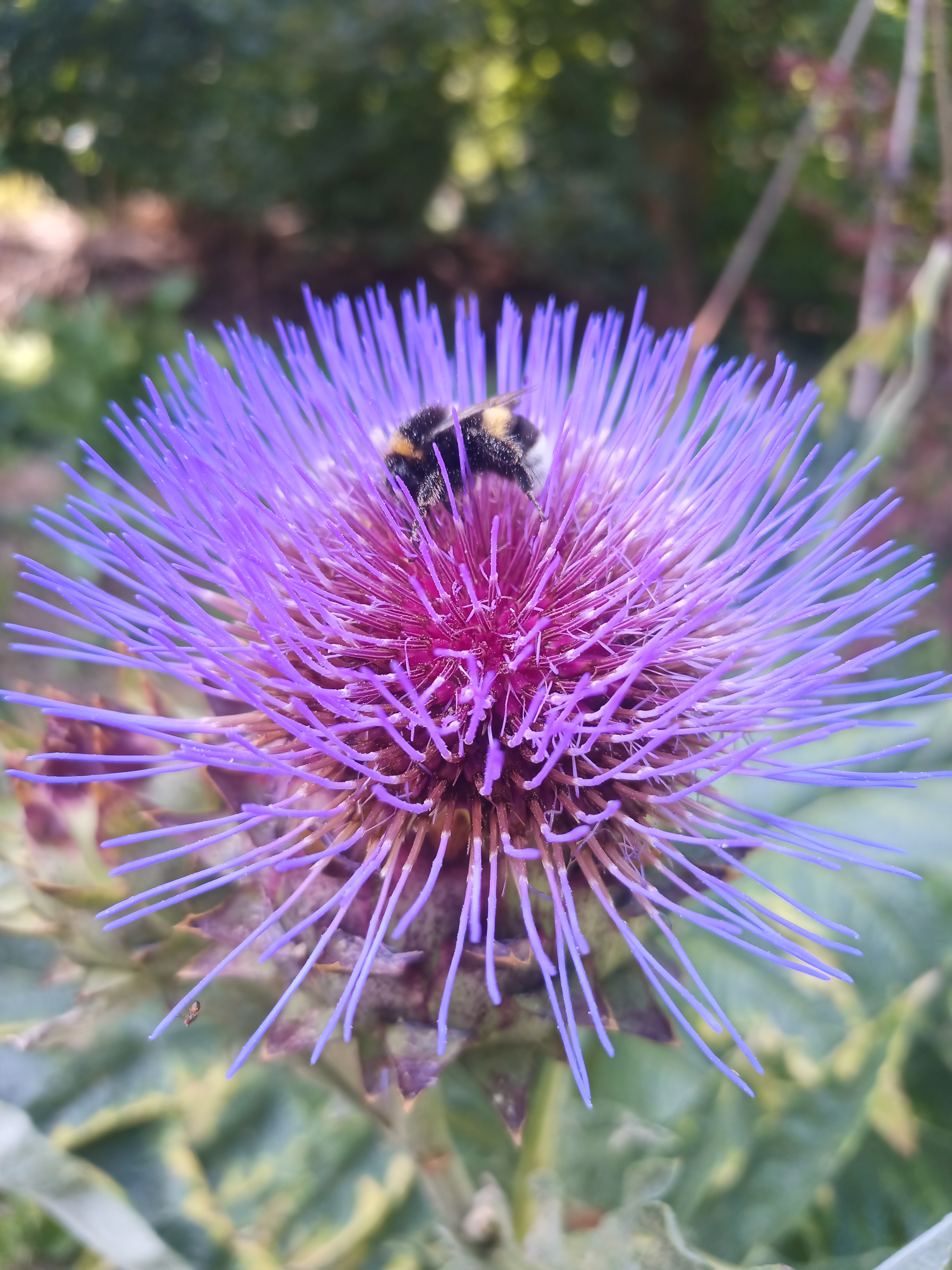
Potential use in agro-designAs an early succession plant it prefers to occupy disturbed, nitrogen reach soil. Very good for the pollinators.
Reproduction
PollinationCross pollinating
Reproductive biologyBisexual flower
Likelihood of hybridisationVery likely
Use
Consumable partsStalks
Medicinal actionDiuretic, Bitter
Parts used medicinally and their effectPromotes digestive health because rich in fibers and bitter in taste.
Gastronomic useCardoon culinary use centers on the blanched leaf stalks, which require peeling and parboiling to manage their bitterness and fiber. They are traditionally served gratinéed, in meat stews, or as a vessel for savory dips, while the flowers serve as a traditional vegetable rennet for cheesemaking.