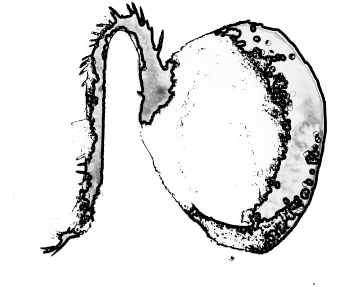
Do not let them climb on maize, the plant is strong enough to break the maize stalks.
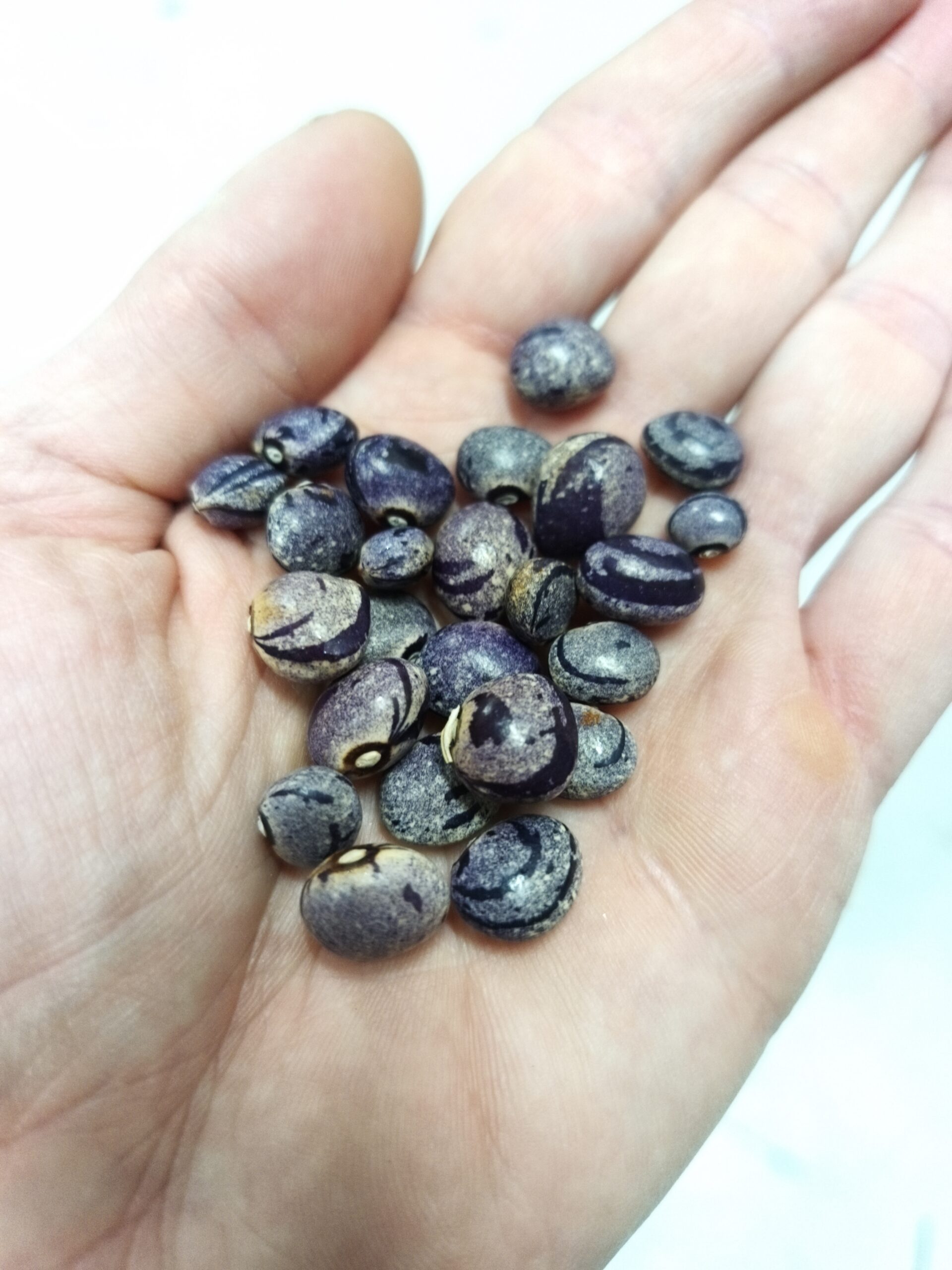
Phaseolus vulgaris Cranberry Flieder
Nomenclature
Latin NamePhaseolus vulgaris
VarietyCranberry Flieder
Common name in English and GermanCranberry pole bean, Cranberry Flieder Stangenbohnen
Regional namesCranberry bean (English), Borlotti bean (English/Italian), Fagiolo borlotto (Italian), Alubia pinta (Spanish), Feijão catarino (Portuguese), Haricot borlotti (French), Wachtelbohne (German), Kievitsboon (Dutch), Barbunya (Turkish), فاصوليا بورلوتي [Fasulya burluti] (Arabic), فاصوليا مرقطة [Fasulya muraqqata] (Arabic), კვერცხისებრი ლობიო [K'vertskhisebri lobio] (Georgia), Pintobønne (Danish), Крапивный боб [Krapivnyy bob] (Russian), שעועית בורלוטי [Shu'it borlotti] (Hebrew), ウズラマメ [Uzura-mame] (Japanese), 蔓越莓豆 [Màn yuè méi dòu] (Chinese)
Geographic data
Variety’s range of distributionOriginally Colombia, later spread to Italy, nowadays globally
Crop's center of diversityMediterranean, Mesoamerica, South America (Andes Region)
Provenance and collection data
CollectionKitchen garden
Seed sourceSpore garden
Cultivation
Life cycleAnnual
Winter hardyNo
Months suitable for planting seedsMay
Seed startingOutdoor
Days to harvest70
Growth habitTwiner
Stem orientationTrailing
Plant height (cm)250
Sun exposureFull sun
Water RequirementsModerate water demand
Soil preferenceWell drained, Loam, Lower to neutral pH
Successional communityWood edge, Patchy shrub-land
Potential use in agro-designPart of the three sisters companion planting method, require sturdy support.
Reproduction
PollinationSelf pollinating
Reproductive biologyBisexual flower
Likelihood of hybridisationLess likely
Use
Consumable partsFruits & berries, Seeds
Gastronomic usePods can be harvested green. Bean can be eaten both fresh and dried. Dried beans have nutty and sweet flavor with creamy soft texture.